EL PRIMER PROGRAMA DE TERAPIA ROBÓTICA BABY G DEL MUNDO PARA BEBÉS
Buscando lo más avanzado fisioterapia pediátrica Phoenix puede ser el punto de inflexión para las familias a las que se les ha dicho que "esperen y vean" cuando su hijo no cumple con los requisitos. hitos de movilidad.
En el desarrollo motor pediátrico, el tiempo es crucial.
Los tres primeros años de vida representan el período más propicio para el desarrollo de las vías neuronales que controlan la postura, el equilibrio y la marcha. Cada intento de sentarse erguido, cambiar el peso o dar un paso con apoyo fortalece dichas vías. Este proceso, conocido como neuroplasticidad, constituye la base biológica del desarrollo motor.
En UCP de Arizona Central, nuestro programa de fisioterapia pediátrica en Phoenix integra la terapia tradicional con sistemas robóticos avanzados para aumentar la actividad física segura y de gran volumen en bebés y niños pequeños con retrasos en el desarrollo motor.
A partir de 2026, UCP of Central Arizona es el único centro clínico en todo el mundo que implementa el Sistema de Movilización Temprana Baby G en un entorno terapéutico estructurado para bebés.
Prestamos nuestros servicios a familias de toda el área metropolitana de Phoenix, incluyendo Tempe, Scottsdale, Mesa y Glendale.
¿Qué es el sistema de terapia robótica Baby G?
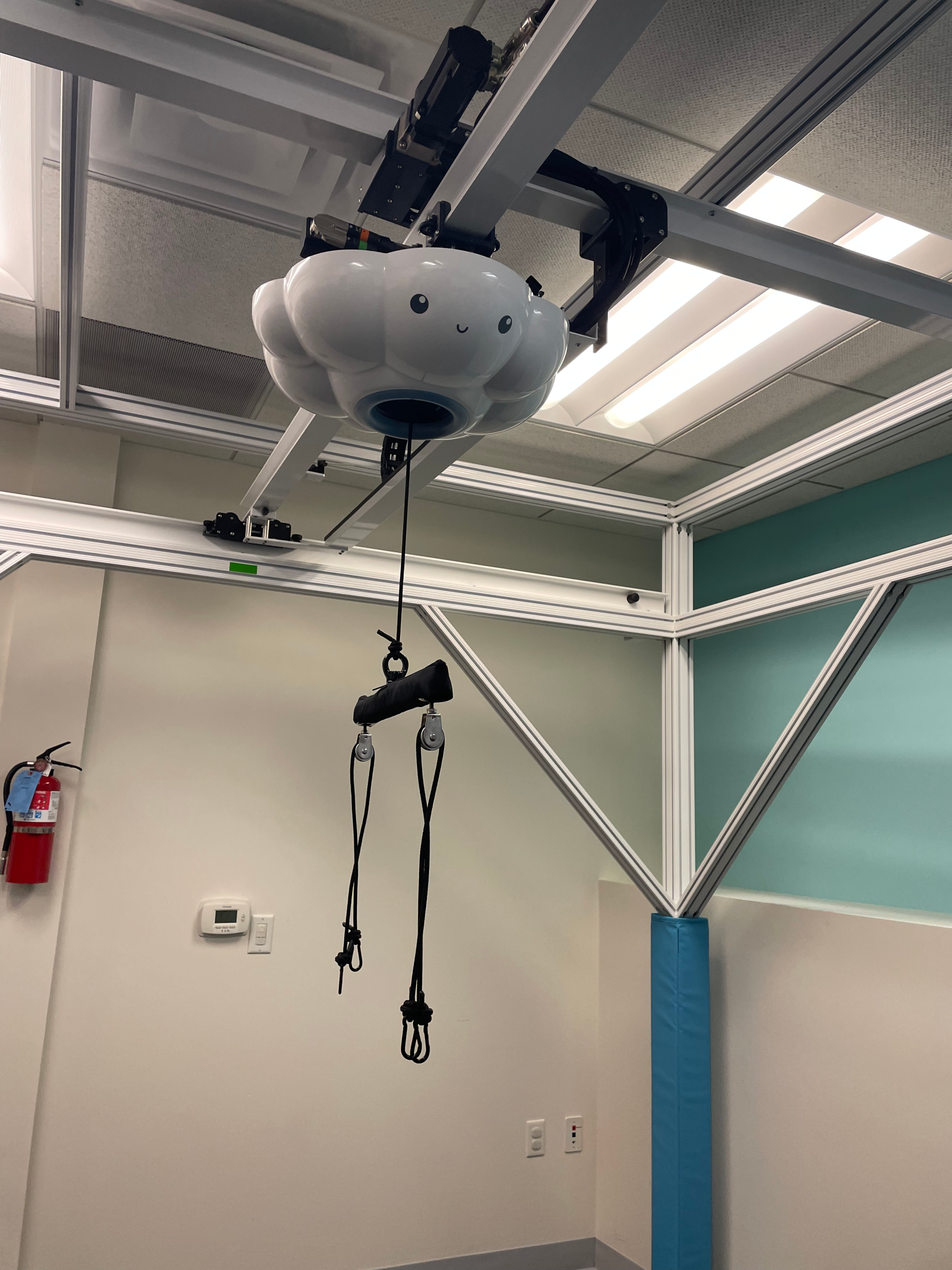
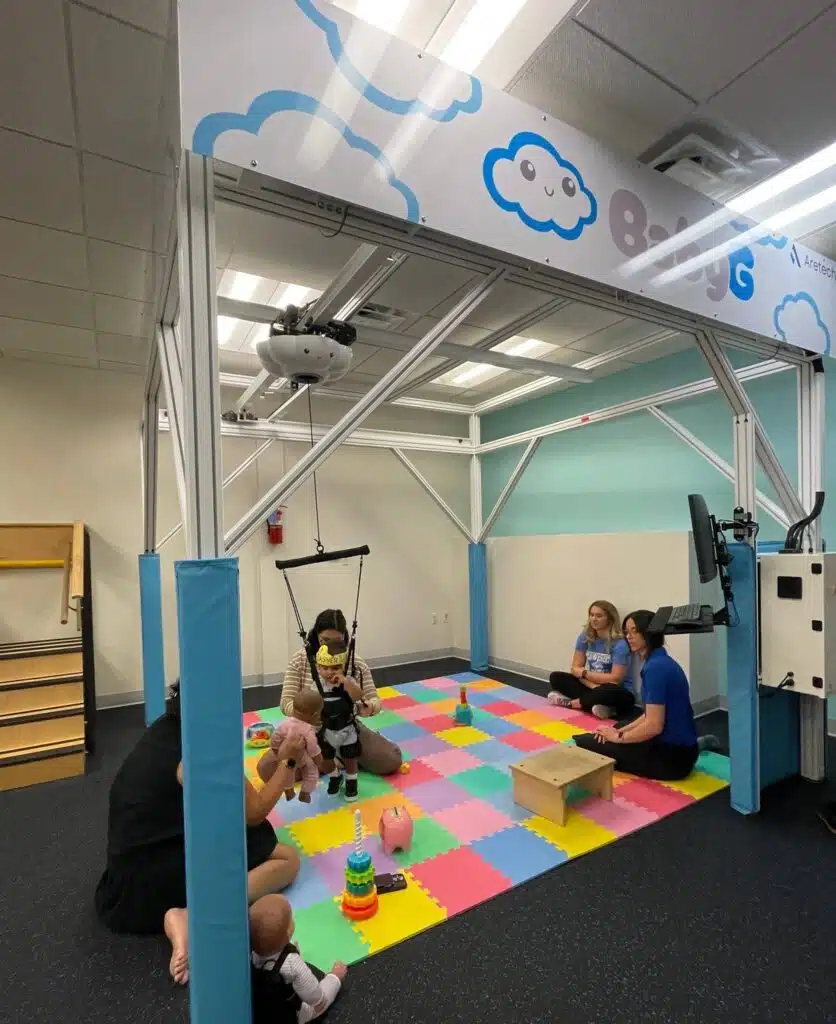
El sistema de movilización temprana Baby G, desarrollado por Aretech, Es un sistema robótico de soporte de peso corporal diseñado específicamente para bebés y niños pequeños.
No se trata de un equipo para adultos adaptado a escala reducida. Fue diseñado desde cero para bebés de tan solo 5,4 kg (12 libras), teniendo en cuenta la biomecánica infantil, el centro de gravedad y los patrones de movimiento en desarrollo.
Las características técnicas clave incluyen:
• Soporte dinámico para el peso corporal ajustable entre 5% y 50%.
• Un riel superior 3D que permite el movimiento hacia adelante, hacia atrás y lateral.
• Sistema robótico de protección contra caídas que funciona a 1000 comprobaciones de sensores por segundo.
• Un espacio de juego con apoyo de 3x3 metros en lugar de un confinamiento en cinta de correr.
El sistema no mueve al niño.
El niño inicia todos los movimientos.
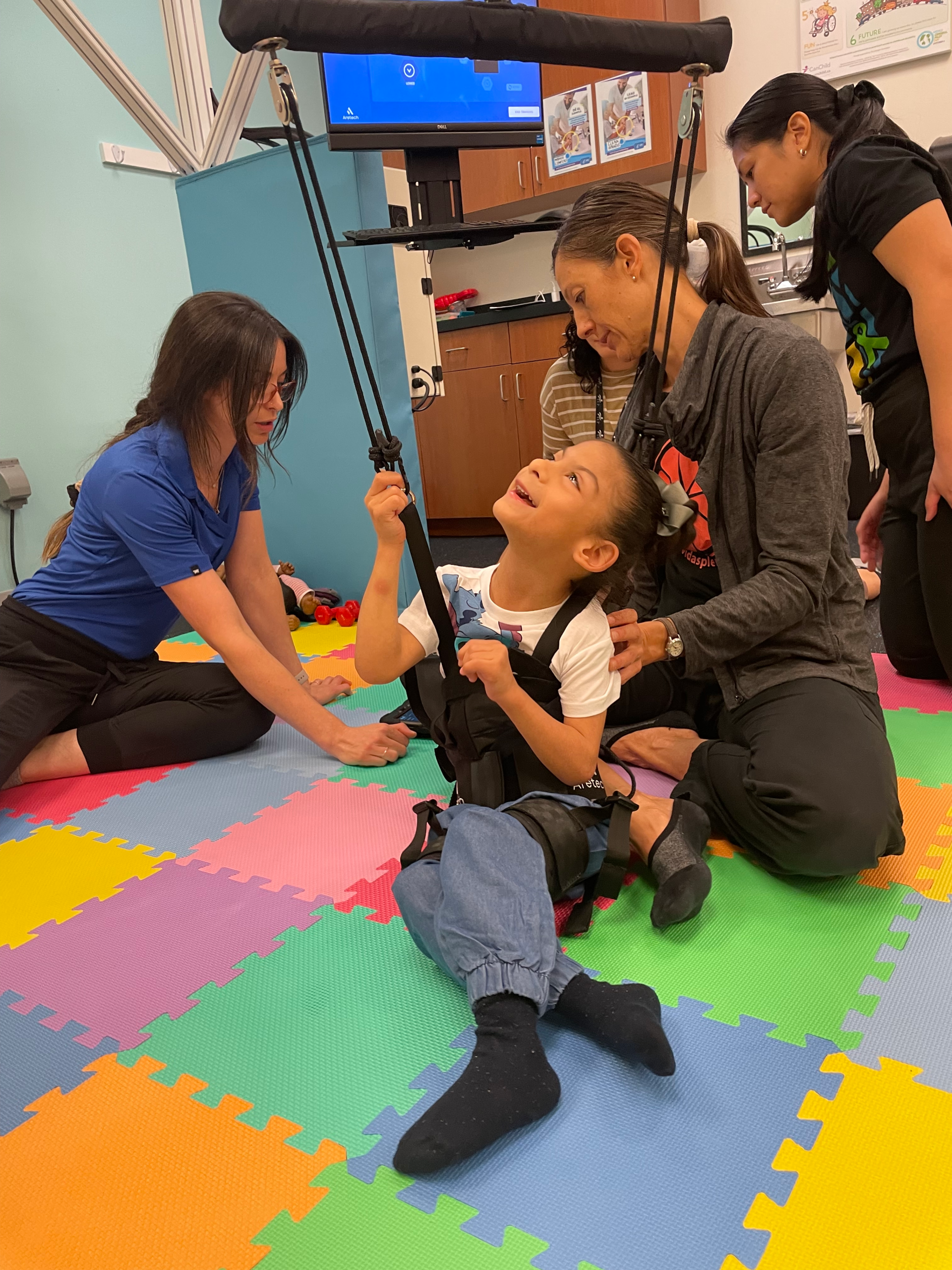
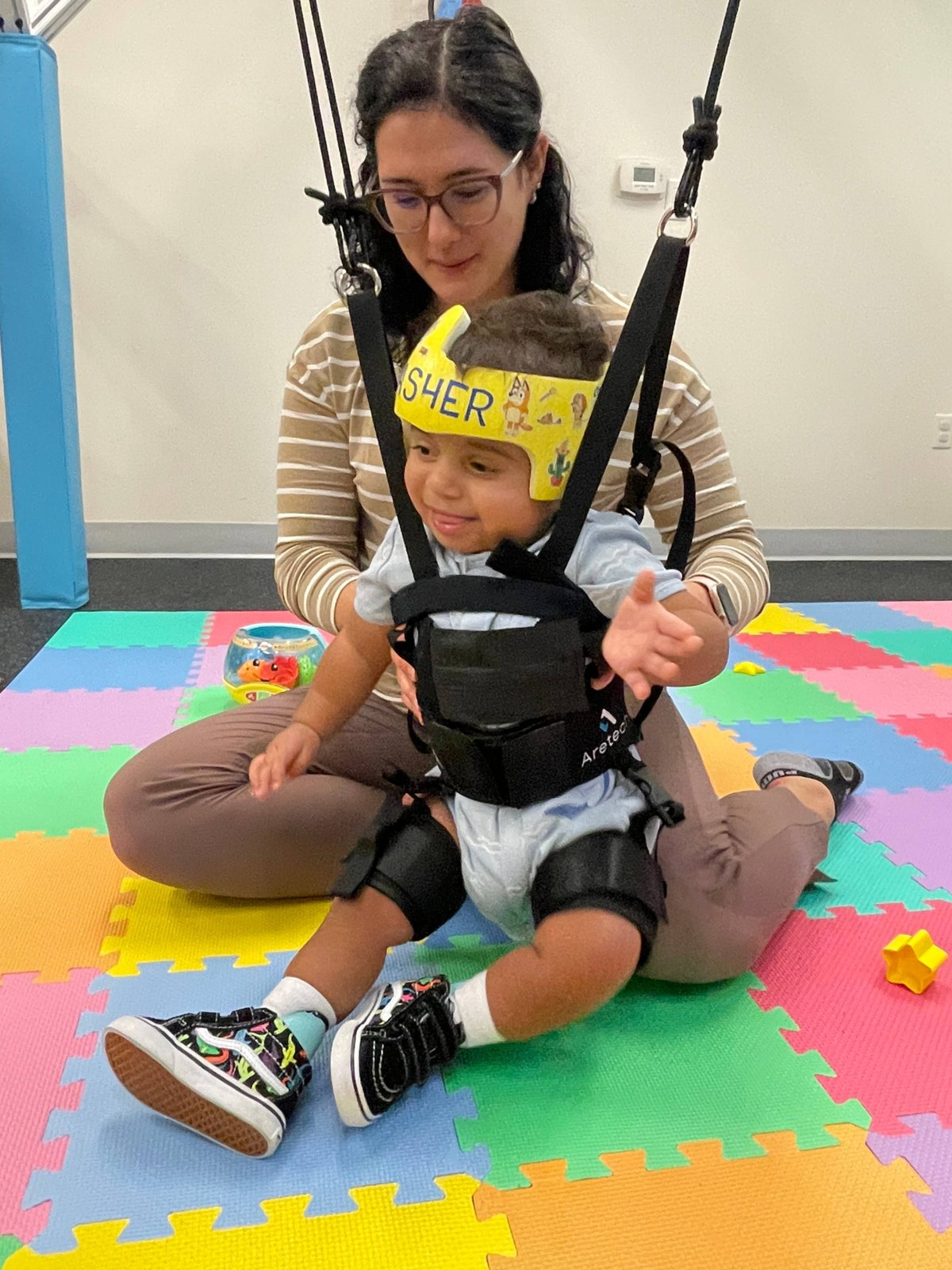
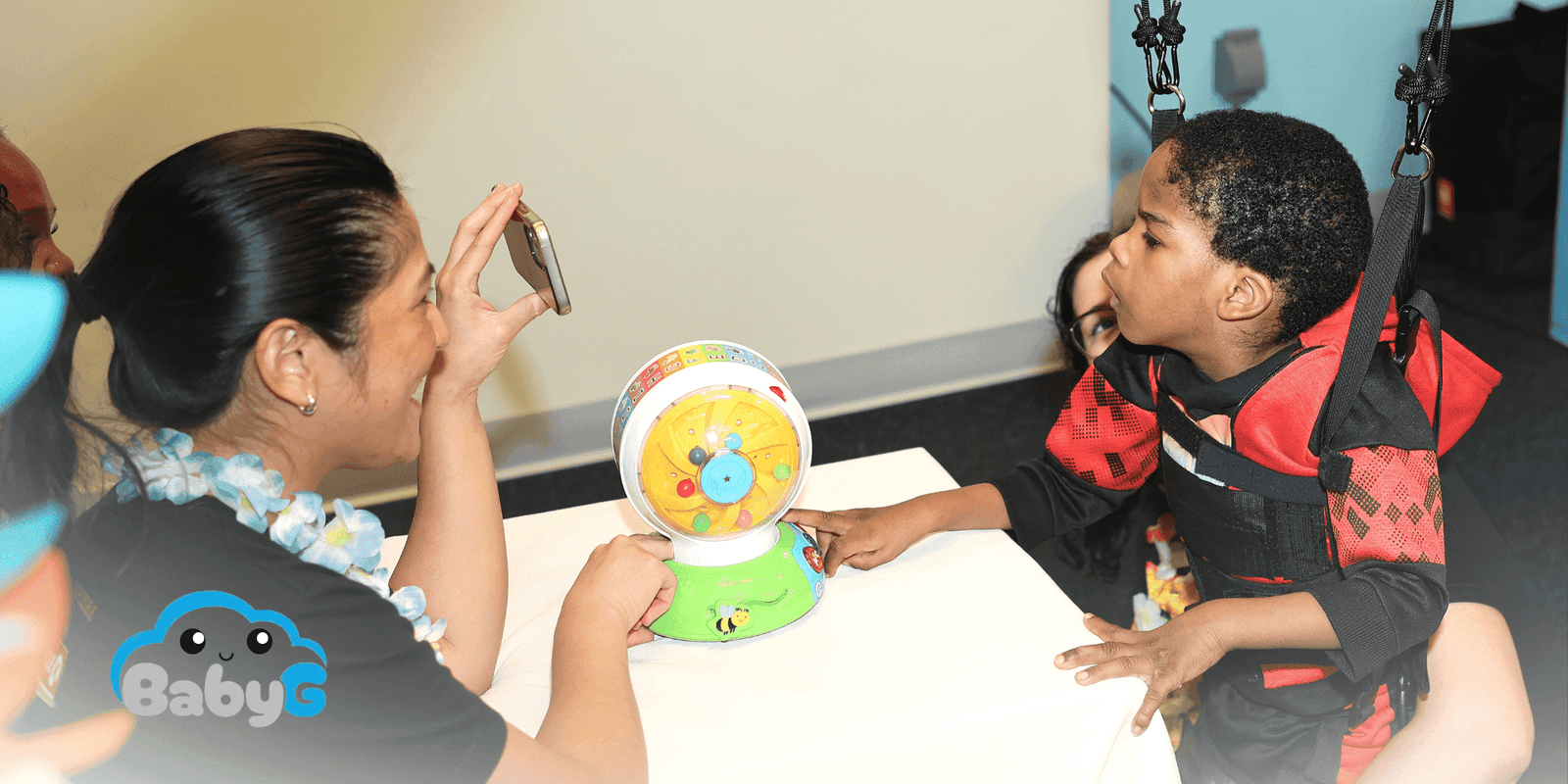
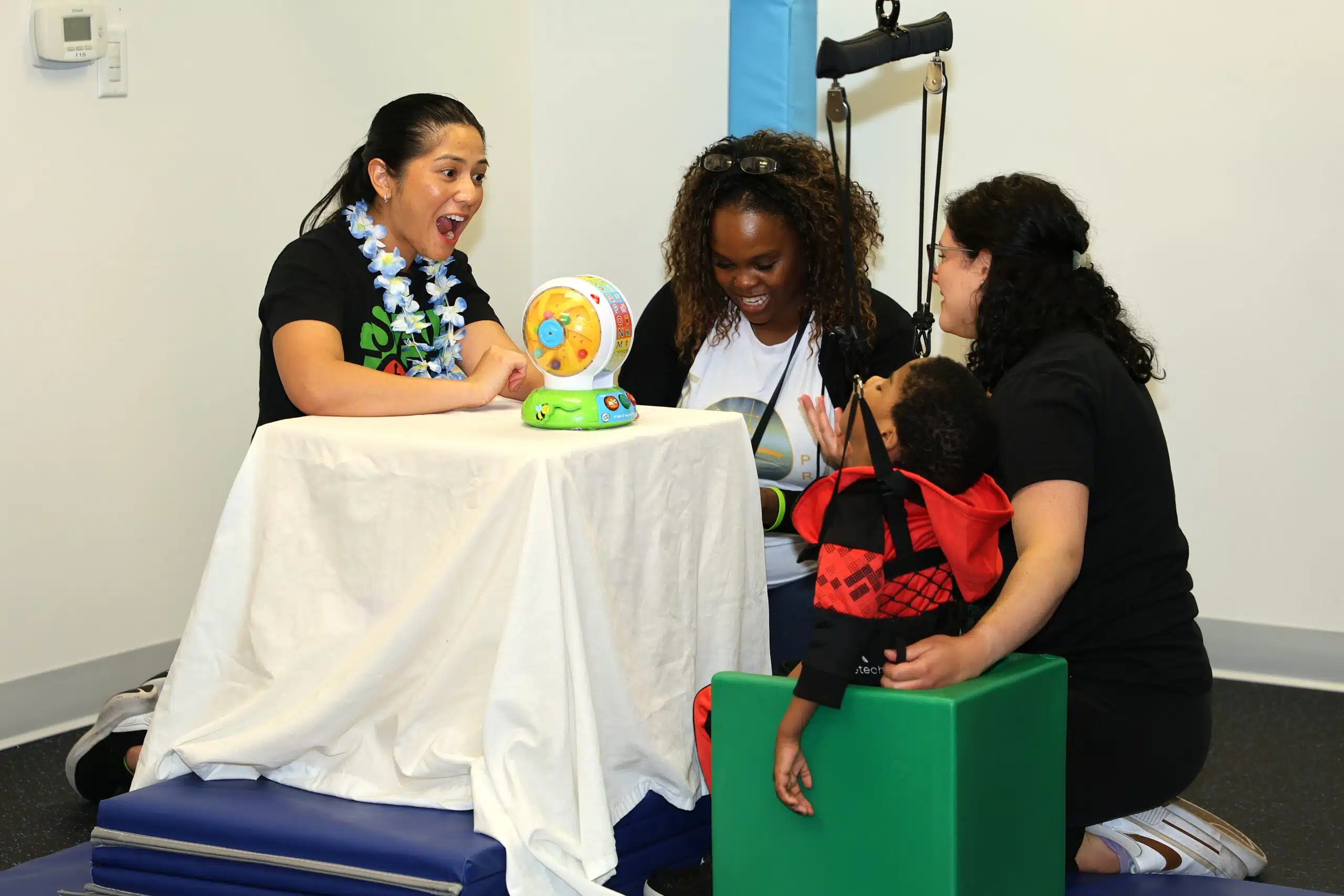
El soporte robótico reduce la carga gravitatoria, lo que permite a los bebés practicar el movimiento en posición vertical de forma segura y repetida.
Este enfoque define la terapia robótica Baby G en UCP de Arizona Central en El centro de Phoenix.
La ciencia de la repetición: ¿Por qué? Intervención rápida No puedo esperar
El aprendizaje motor no se limita a la fuerza física: implica la activación cerebral. Cuando un terapeuta mueve la pierna de un niño, el cerebro recibe información pasiva. Esto es valioso, pero no es así como el cerebro aprende a controlar el movimiento.
Cuando un niño inicia un movimiento, el cerebro genera una orden motora. Si esa orden resulta en un paso o un alcance exitoso, la vía neuronal se refuerza. Esta distinción modifica la forma en que se fortalecen las vías neuronales. Esta es la diferencia entre la terapia activa y la pasiva.
La terapia robótica Baby G permite a los bebés practicar:
- Cambio de peso
- Estabilización postural
- Pasos recíprocos
- Reacciones de equilibrio
El volumen del éxito
Un niño típico que se desarrolla sin retrasos puede dar miles de pasos al día. Un niño con retraso motor podría apenas dar una docena de pasos en una sesión de terapia tradicional debido a la fatiga y al enorme esfuerzo físico que supone luchar contra la gravedad.
El Baby G cambia esta dinámica. Al reducir el esfuerzo físico, el niño puede realizar cientos de repeticiones en posición vertical con apoyo en una sola sesión. Durante la etapa en que el cerebro se está preparando para caminar, la repetición constante sienta las bases para una autonomía a largo plazo.
Afecciones que se tratan comúnmente en nuestro programa de terapia pediátrica en Phoenix.
Nuestro equipo de fisioterapia pediátrica en Phoenix evalúa a bebés diagnosticados con una amplia gama de afecciones neuromotoras y del desarrollo. Brindamos atención especializada para bebés con:
- Parálisis cerebral: Con el objetivo de mejorar el tono muscular y el control postural.
- Espina bífida: Centrándonos en la fuerza fundamental y la activación de las extremidades inferiores.
- Síndrome de Down: Favorece la estabilidad articular y corrige la laxitud ligamentosa.
- Encefalopatía hipóxico-isquémica (EHI): Fomentar el desarrollo temprano de las vías motoras.
- Accidente cerebrovascular perinatal: Abordar el movimiento asimétrico y promover la coordinación bilateral.
- Retraso global del desarrollo: Desarrollar la resistencia necesaria para la exploración física.
- Hipotonía: Brindar el apoyo necesario para superar el bajo tono muscular.
Es importante señalar que no todos los niños requieren integración robótica. Una evaluación en nuestro Campus del centro este Determina si el paciente es candidato y garantiza que se establezca el plan de terapia más eficaz para las necesidades específicas de su hijo.
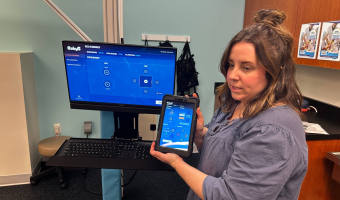
Brittany Landabazo, PT, DPT, Terapeuta principal, sede del centro.
¿Cuándo priorizar una evaluación de movilidad?
Colaboramos con familias de Phoenix para abordar obstáculos específicos que dificultan la movilidad independiente. Se recomienda una evaluación en nuestro campus Downtown East si observa lo siguiente:
- Resistencia a la carga: Su hijo evita apoyar el peso sobre las piernas o se "desploma" cuando se le sostiene.
- Transiciones estancadas: Retraso en la capacidad de sentarse de forma independiente o progreso limitado hacia el gateo y la bipedestación.
- Asimetría postural: Inclinación, ladeamiento o preferencia persistente hacia un lado durante el movimiento.
- Nuevo diagnóstico: Un diagnóstico reciente de trastorno neuromotor o del desarrollo que requiere un plan de atención especializado.
El retraso motor rara vez se debe a la falta de esfuerzo. Generalmente está relacionado con la regulación del tono muscular, la coordinación o la fuerza del tronco. Una evaluación en Downtown East aclara la función basal y establece un camino definitivo hacia la autonomía.
Impulsando la fisioterapia pediátrica en Phoenix con Baby G Robotics.
“El diagnóstico y la intervención precoces son fundamentales para que un niño con parálisis cerebral o trastornos motores pueda alcanzar los hitos del desarrollo propios de su edad”, afirmó Brittany Landabazo, fisioterapeuta pediátrica de UCP of Central Arizona. “Los estudios demuestran que comenzar la terapia durante el primer año de vida tras el diagnóstico puede mejorar drásticamente los resultados a largo plazo en cuanto a habilidades motoras, independencia y calidad de vida”.”
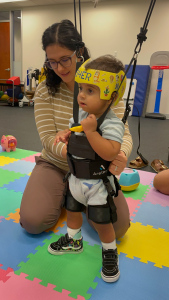
Qué esperar durante su primera visita
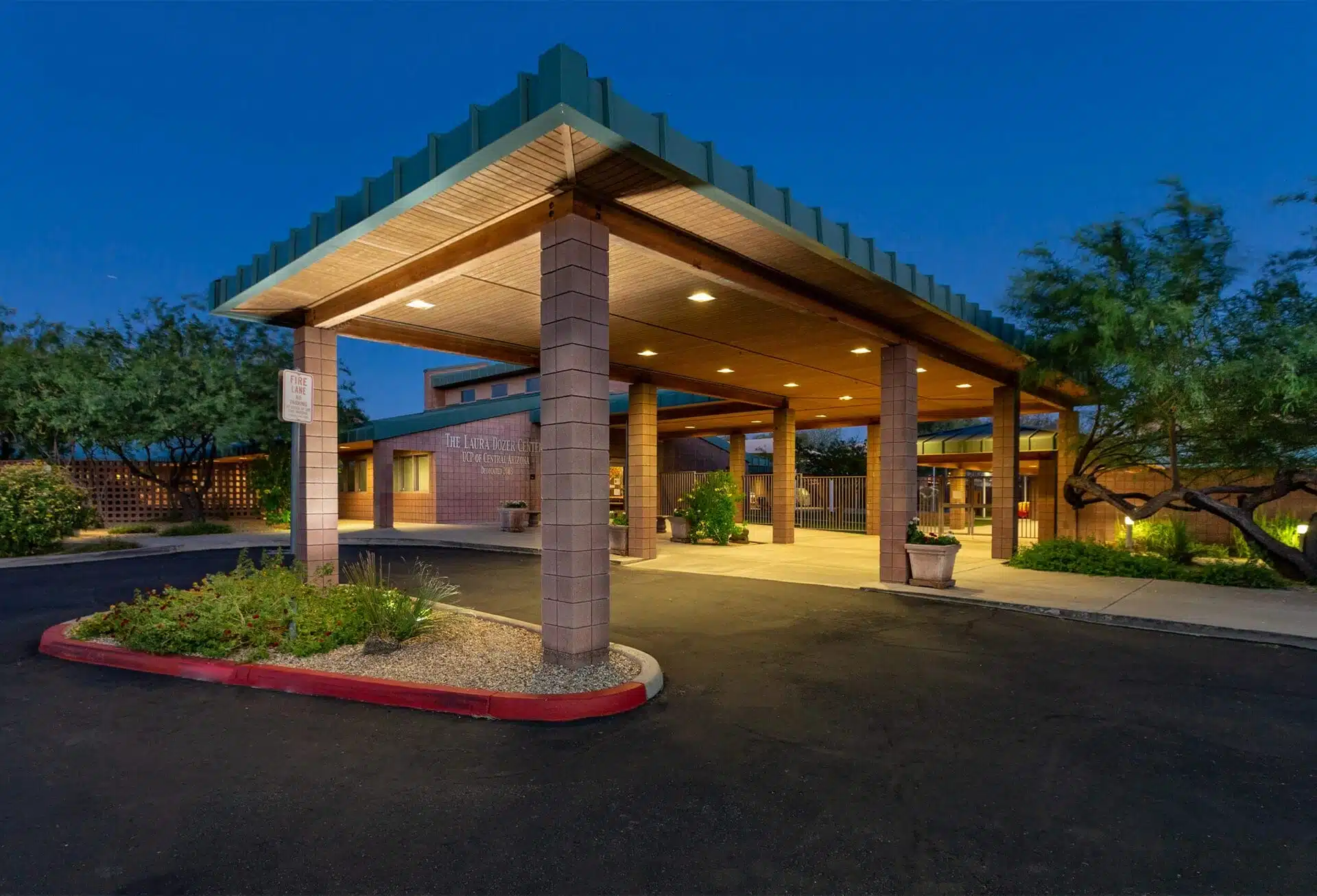
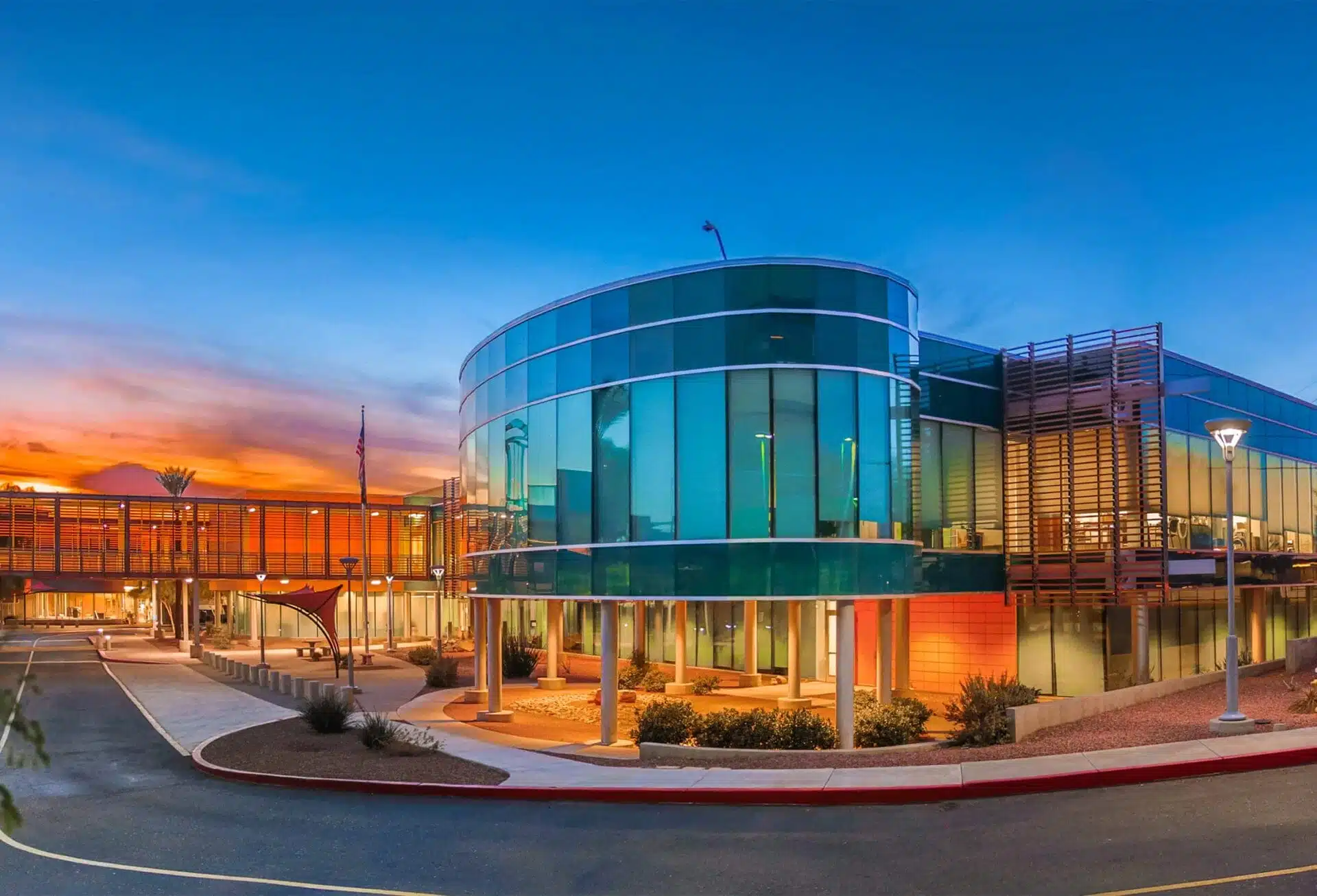
Las evaluaciones se realizan en nuestro campus del centro este:
5025 E Washington St Ste. 102
Phoenix, AZ 85034
Su evaluación integral establece la base clínica necesaria para construir un camino hacia la autonomía.
Su visita incluye:
• Evaluación motora integral
• Evaluación de fuerza y amplitud de movimiento
• Evaluación postural y de simetría
• Discusión sobre los objetivos de desarrollo
Si la integración del bebé G es apropiada, el arnés se ajusta cuidadosamente para garantizar su comodidad y seguridad. Las sesiones incorporan juegos estructurados para fomentar el movimiento espontáneo dentro del entorno supervisado.

Un camino sin interrupciones hacia la atención médica: conectando el centro de Phoenix con el norte de Phoenix.
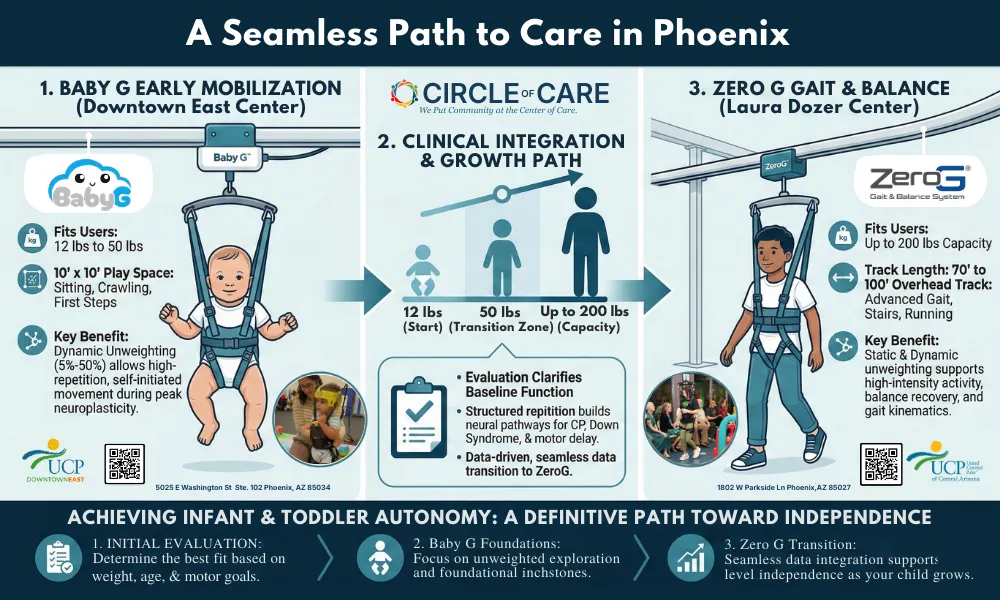
Una de las principales ventajas del Círculo de Atención de UCP es que su hijo nunca deja de contar con nuestra experiencia. Ofrecemos una guía integral de atención que facilita la transición desde la primera infancia hasta la autonomía a largo plazo.
A medida que los niños crecen, hacen la transición a la Sistema de marcha y equilibrio ZeroG, ZeroG ofrece asistencia robótica adaptada a niños mayores y adolescentes, permitiendo realizar tareas de marcha avanzadas como la superación de obstáculos y el entrenamiento para subir y bajar escaleras. Esta progresión permite que los niños permanezcan dentro de un mismo equipo de terapia pediátrica coordinado a medida que avanzan.
Invertir en el futuro de los niños de Arizona
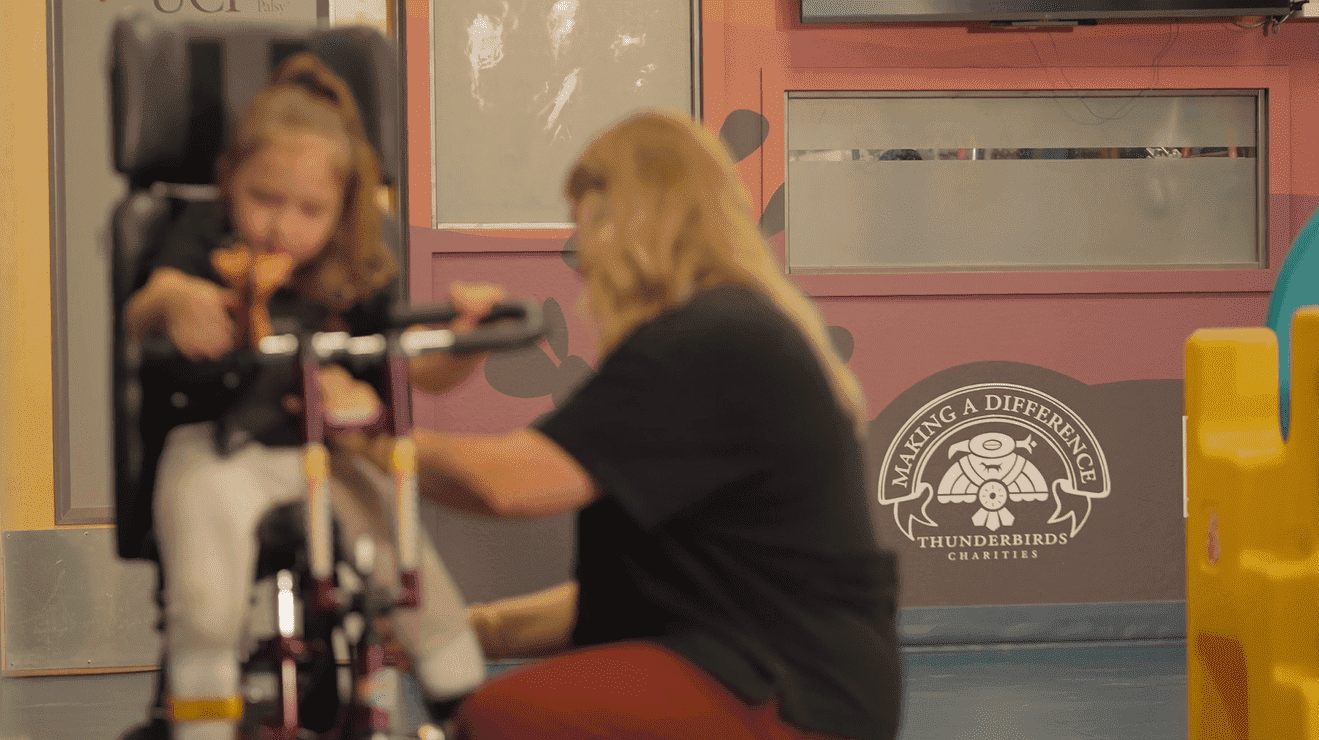
La llegada del primer Baby G del mundo a Phoenix es el resultado de una iniciativa $400,000 que se hizo posible gracias a la generosidad visionaria de Organizaciones benéficas de Thunderbirds y el Junta de Visitantes de Arizona. Su compromiso garantiza que el estándar de oro mundial en atención robótica esté disponible aquí mismo en Phoenix.
Programe una evaluación en la Clínica de Terapia Pediátrica Premier de Phoenix.
La trayectoria vital de un niño puede cambiar gracias a las intervenciones que elegimos hoy. Si su hijo tiene entre 6 meses y 3 años y le preocupa su desarrollo motor, le invitamos a ver el Baby G en acción.
UCP de Arizona Central sigue siendo la única clínica en el mundo que ofrece el sistema Baby G en un entorno clínico. Experimente la diferencia que marcan la tecnología de vanguardia y la atención personalizada de un equipo local.
El movimiento temprano fomenta la independencia. Si lo detectas a tiempo, cambia la historia.